
*Note this story is in Ilocano
Iti likod ti kabakiran,
Ti ubing a mangnganup, agur-uray
Agkarayam babaen kadagiti imana
Ket nabirukanna dagiti ubbing
A saan a makaammo no ania ti buteng
Isuda ti sumaruno a biktimana
Saem ti pagsasaona
Palumtegenna dagiti tumtumengda tapno iyaplitna
Ti lunod ni Bugsok
Maysa a pamilya ti
Nabirokanna kadagiti ubbing
Ita, alaenda ti langana.
Naragsak ti nangisit a parsua
Kadagiti baro a gagayyemna a kas met laeng kenkuana.
Agpukkaw dagiti nagannak,
Ngem saandanton a masarakan
Dagiti annakda, napukaw iti lunod.
Nagballigi ni Bugsok.
Ita, alaenyo dagiti annakyo,
Arakupenyo ida a naimbag iti talgedyo,
Ta saanyo nga ammo no ania ti sumaruno.
=————–=
English Version
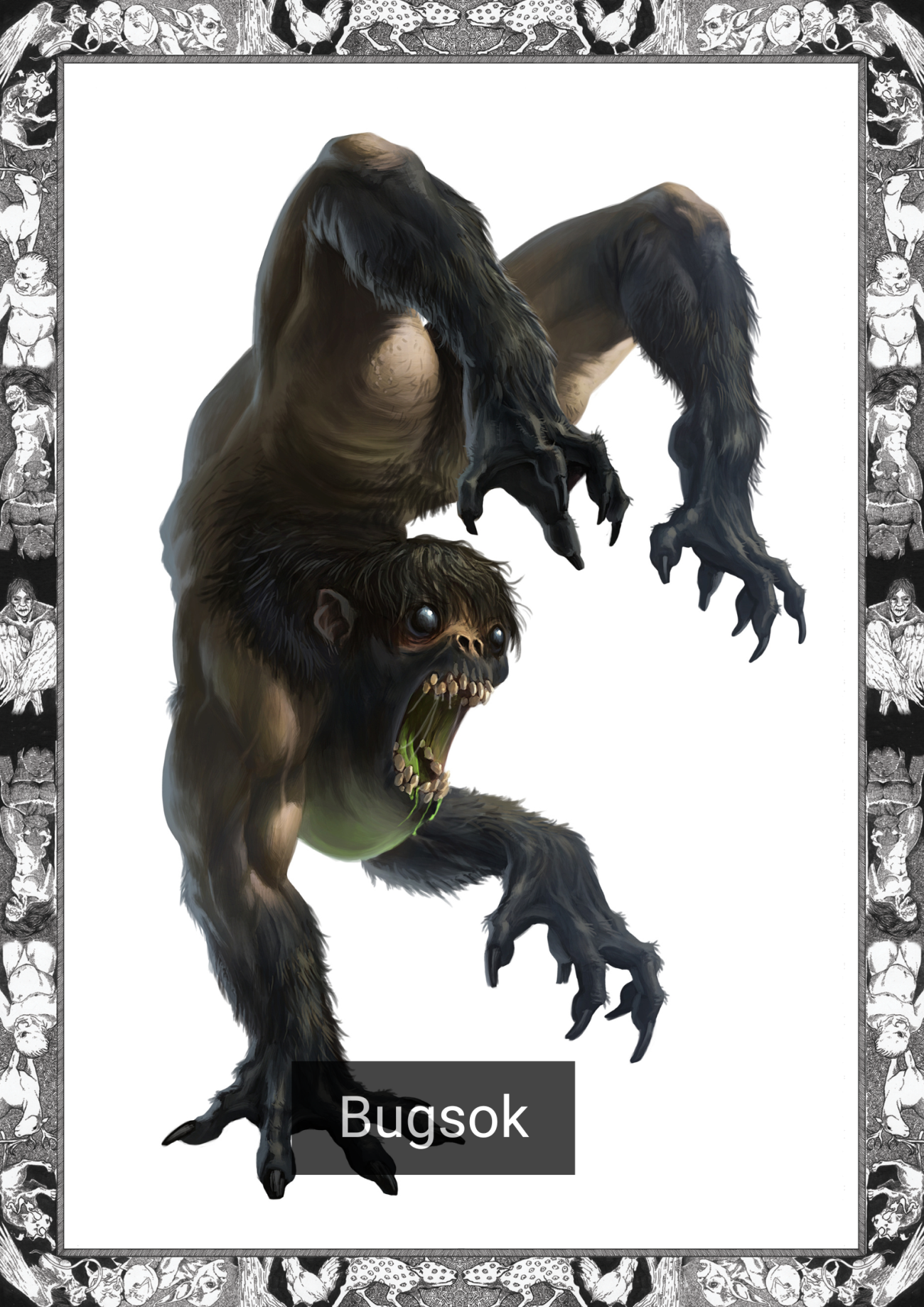
Behind the forest
The child hunter lies in wait
Walking on its hands
It spots the children
Who do know what fear is
Are its next victims
Pain is its language
It swells their knees to inflict
The curse of Bugsok
A family it
Has found among the children
Now, they take its form
The black being enjoys
Its new friends, much like itself
The parents scream out
They will never find
Their children now lost to curse
The Bugsok has won
Now, take your children
Hold them close to your safety
You will never know
=—————–=
*Ilocano is the third most-spoken local language of the Philippines.An Austronesian language, it is related to such languages as Malay (Indonesian and Malaysian), Tetum, Chamorro, Fijian, Maori, Hawaiian, Samoan, Tahitian, Paiwan and Malagasy. It is closely related to some of the other Austronesian languages of Northern Luzon, and has slight mutual intelligibility with the Balangao language and the eastern dialects of the Bontoc language.
Written by Karl Gaverza
Ilocano translation by Maria Jesusa Villaruz
Copyright © Karl Gaverza
Translation Copyright © Maria Jesusa Villaruz
Inspired by the Bugsok entry in Bikol Beliefs and Folkways: A Showcase of Tradition. Nasayao 2010..
Illustration by Brian Valeza used with permission from Rob Martin of Pine Box Entertainment and Secret Garden Games
